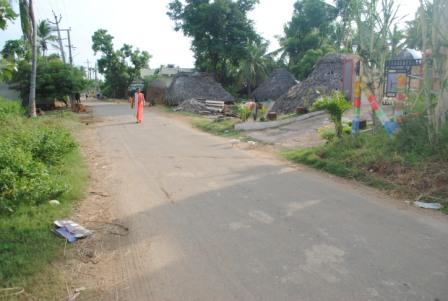
It is only when we consider something as a threat, will we take measures to guard against it. India contributes 60% of the world’s open defecation. In June 2014, two girls were raped and murdered in Uttar Pradesh when they have gone out to defecate in the open. This information points to the fact that the highest price for the lack of toilet facilities is paid by women in a community. Women hold back their urine and faeces till nightfall so as to ensure some privacy when they have to go out to the fields to do their business. They do not consume water for the fear of needing to urinate when there are no facilities available. Women are ashamed of performing their bodily functions owing to lack of privacy. The resulting health problems, starting from kidney infections to urinary tract infections, due to insufficient water intake and lack of proper sanitation facilities looms large for many women, particularly in rural areas. There have been many reports highlighting the immediate need for toilets because women suffer the threat of violence and assault from men when they go out to defecate or urinate in the open. I believe the importance of sanitation is not just limited to violence perceived as a threat from the outside. Isn’t the lack of sanitation facilities, in particular toilets, and the lack of privacy women face a violation of the basic biological rights of women? Violence has been accepted to an extent where we perceive it only as an external threat. But violence is not only an imposition from the external. Very often, we tend not to consider the threat from within. We have to understand the implications of the lack of sanitation as violating the rights of the human body. We need to understand the lack of toilet facilities as a form of violence against women’s bodies; and violation of the rights of the body when women avoid consuming fluids and control their bodily functions till night fall for privacy. I consider this control of bodily functions as violence against the human body. And when bodies are considered to be entitled to rights, we have to guarantee their wellbeing. The question here is, does anyone guarantee the same? Who considers lack of sanitation as violence against a woman’s body? Who will safeguard these rights? The questions are many. The answer seems simple. Sanitation for all. Achieving this goal might seem far-fetched. Implementation might take some time. The first step is recognising that lack of sanitation is a threat. And it is only when we recognise it as a threat, will we do something about it. Photo Credit: Photo by Yaniv Malz in mid-2008. Used by Susan A Secretariat on Flick Images. Source: https://www.flickr.com/photos/gtzecosan/2730779169

You may be interested to read

Yedukrishnan V.

Insights from participatory research across Kochi, Bengaluru, and Ahmedabad reveal that disability-inclusive mobility demands far more than infrastructure compliance. It requires recognising the diversity of disabilities, the intersecting barriers of gender and class, and the wisdom that communities hold in identifying practical solutions.

Kush Rastogi

This blog, written by our intern Kush Rastogi, a B.A. English (Hons) student at Amity University, Noida, reflects on Dr. Rajesh Tandon’s podcast 'Reimagining Civil Society'. It captures powerful stories of literacy movements in India, highlighting civil society’s role in empowerment, innovation, and inclusive education.

Dr. Anshuman Karol

India’s Gram Panchayats today govern at a time of profound transition. Climate change is intensifying floods, droughts, and heat stress, public health risks such as water-borne diseases are becoming more frequent, rural youth migration is hollowing out local economies and digital systems are expanding faster than local capacities to use them meaningfully.