
Author: Rabi Raj | 17-Jun-2025
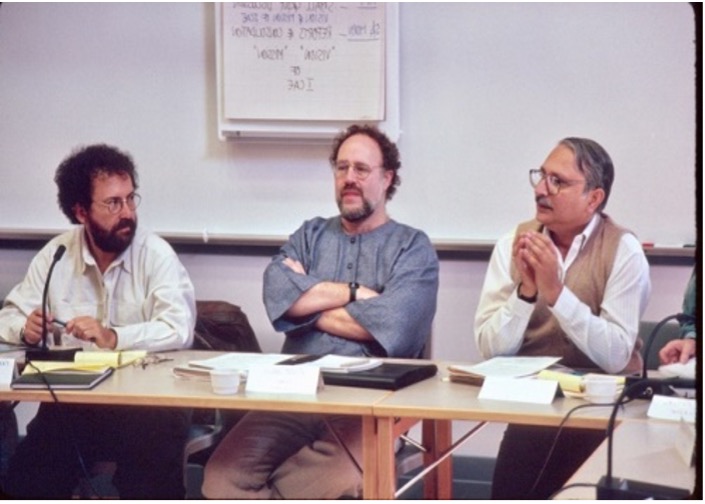
In the world of research and social change, few figures have left as lasting an impact as Dr. Rajesh Tandon. As the founder of Participatory Research in Asia (PRIA) and a global pioneer of participatory research, his work has influenced generations of scholars, activists, and practitioners working to center the voices of those often pushed to the margins.
At the core of Dr. Tandon’s philosophy is a deceptively simple but revolutionary idea: research must be done with people, not on them. It must be grounded in dialogue, dignity, and action. As participatory methods gain traction across sectors today, revisiting his journey reminds us what it truly means to practice knowledge democracy.
Fieldwork That Changed the Researcher
Every transformation begins with a moment of unlearning.
In the late 1970s, while doing PhD fieldwork in rural Rajasthan, Dr. Tandon encountered a challenge that many researchers face even today—how to connect textbook methods with the lived realities of people on the ground. His structured questionnaires and academic tools were falling short. Communities weren’t responding the way he expected, and he struggled to make sense of what he was observing.
It was an elderly farmer who changed everything. “Don’t just ask questions,” he said. “Use your eyes and ears. Smell the air, taste the water, walk the land. Experience our life if you want to understand it.”
That advice stayed with him.
It was a turning point—not just methodologically, but philosophically. Dr. Tandon realized that local communities were not merely data sources. They were knowledge holders, with insights rooted in lived experience, cultural memory, and collective resilience. This encounter fundamentally reshaped his understanding of research as a process of mutual learning, not extraction.
Connecting Knowledge to Action
Following this realisation, Dr. Tandon began reimagining the purpose of research altogether.
He came to see that knowledge production should not be confined to academic journals or policy papers. It should serve as a means to amplify marginalised voices, build agency, and connect people to systems of power and decision-making.
In this framework, research becomes a tool for empowerment and transformation, not just for inquiry. Researchers are no longer distant experts; they are facilitators, co-learners, and bridge-builders.
This shift grew stronger during his time at the National Labour Institute, where he noticed a widening disconnect between classroom theory and the pulse of real-world struggles. Whether it was the everyday fight of women garment workers or the organising efforts of informal laborers, the issues being lived were far more complex than what traditional research frameworks could grasp.
This experience deepened his conviction that the gap between knowledge and action must be closed. Research should help people articulate their concerns, mobilise for change, and advocate for their rights—on their own terms.
The Birth of PRIA: A Platform for People’s Knowledge
In 1982, Dr. Tandon co-founded PRIA (Participatory Research in Asia) with a bold vision: to establish an institution that would champion people’s knowledge and make participatory research central to democratic development.
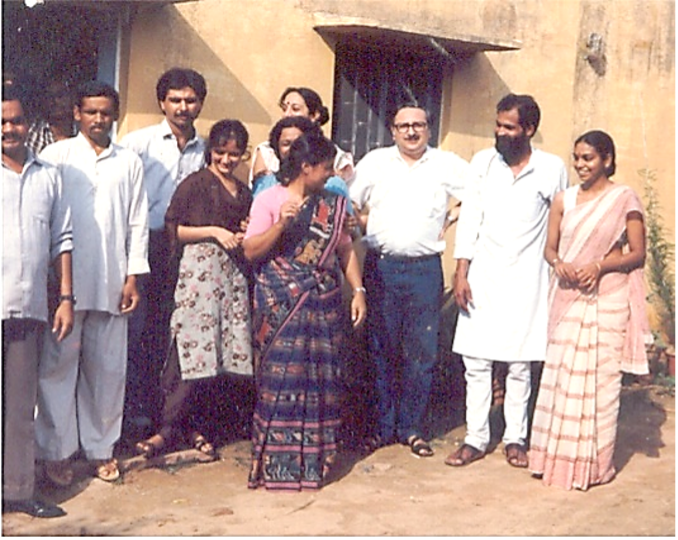
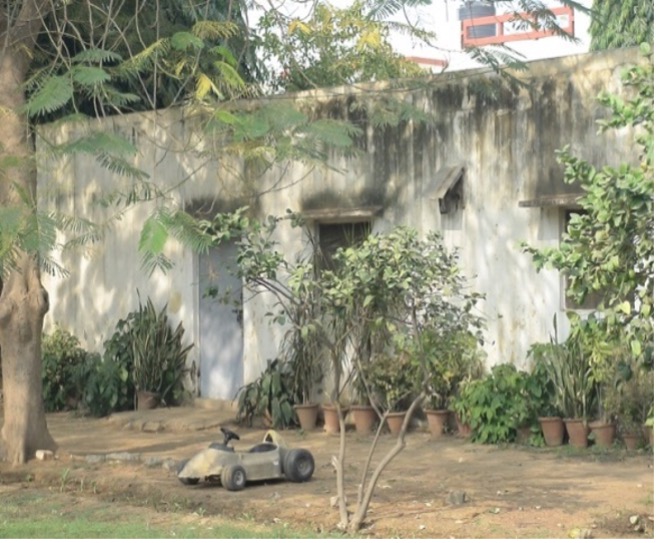
Sainik Farm Office in 1989 (left) and in 2021 (right)
PRIA was not born out of a conference room or a consultancy report. It emerged from real frustrations and real possibilities—grounded in the recognition that formal systems often fail to capture or respond to what matters most to communities.
Over the decades, PRIA has become a leading center for participatory methodologies. Its work spans urban governance, public health, gender justice, youth engagement, and more—all driven by the conviction that people must be at the heart of shaping solutions.
Some of the principles that guided PRIA’s formation and continue to define its work include:
Global Collaborations, Local Roots
Dr. Tandon’s journey is also one of international collaboration and solidarity.
While working on his dissertation at Case Western Reserve University, he encountered the writings of Dr. Budd Hall, a Canadian academic who was then among the first to articulate the principles of participatory research. Their connection, initially through scholarly correspondence, soon turned into a deep partnership. In 1977, Dr. Tandon met Dr. Hall and other pioneers like Orlando Fals-Borda, Yusuf Kassam, and Pancho Vio Grossi at a conference in Caracas, Venezuela.
These were not just academic meetings—they were gatherings of social movements, where scholars and activists imagined a new kind of research that could serve liberation and justice.
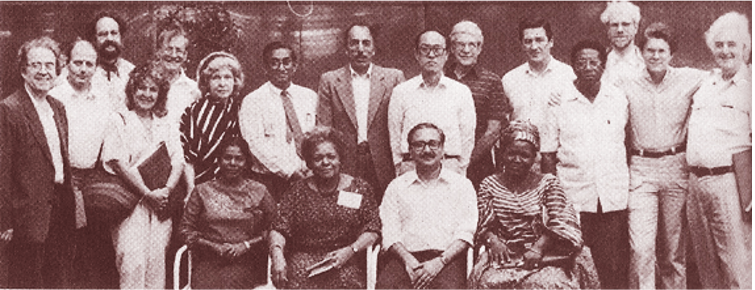
Colombo (1986)
This transnational exchange gave birth to what would become the Participatory Research Network, with Dr. Tandon serving as coordinator of the Asian chapter. It also planted the seeds for a global participatory research movement, grounded in solidarity, mutual learning, and respect for contextual realities.
Even as he engaged globally, Dr. Tandon remained rooted in the Indian context—drawing strength from Gandhian ideas of Antyodaya (uplifting the last person), Ambedkarite struggles for dignity, and feminist movements challenging power at every level.
Challenges of Participatory Research Today
Despite its growing recognition, participatory research faces significant challenges—many of which risk diluting its transformative potential:
Addressing these challenges requires constant reflection, adaptation, and advocacy. It means building new institutional cultures, challenging metrics of success, and nurturing long-term relationships with communities.
Guiding the Next Generation
Dr. Tandon’s message to young researchers is clear: "Step outside the classroom. Engage with the world. And above all, listen."
He encourages those entering the field to bring their full selves to the process—not just intellect, but empathy, humility, and imagination. Participatory research, he insists, is not just a set of methods. It is a mindset—a political and ethical commitment to democratize the way we produce, share, and use knowledge.
By integrating thinking, feeling, and acting, young scholars and practitioners can challenge dominant systems of knowledge and build more inclusive futures.
Why His Legacy Matters More Than Ever
In an era marked by growing inequality, climate urgency, and democratic backsliding, the lessons of participatory research are not just relevant—they are essential.
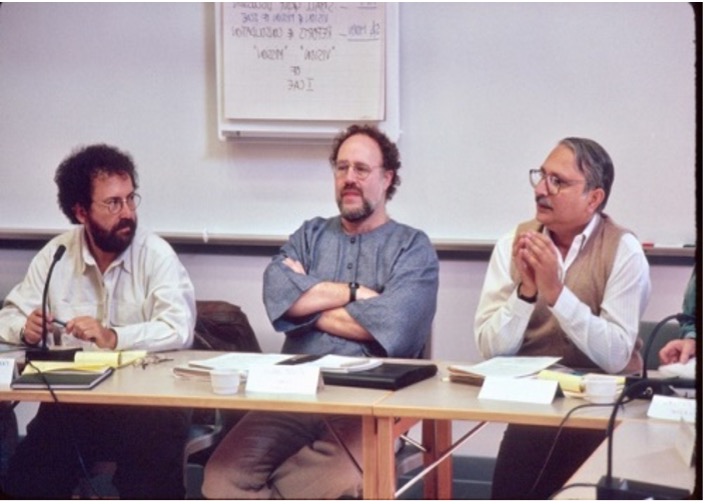
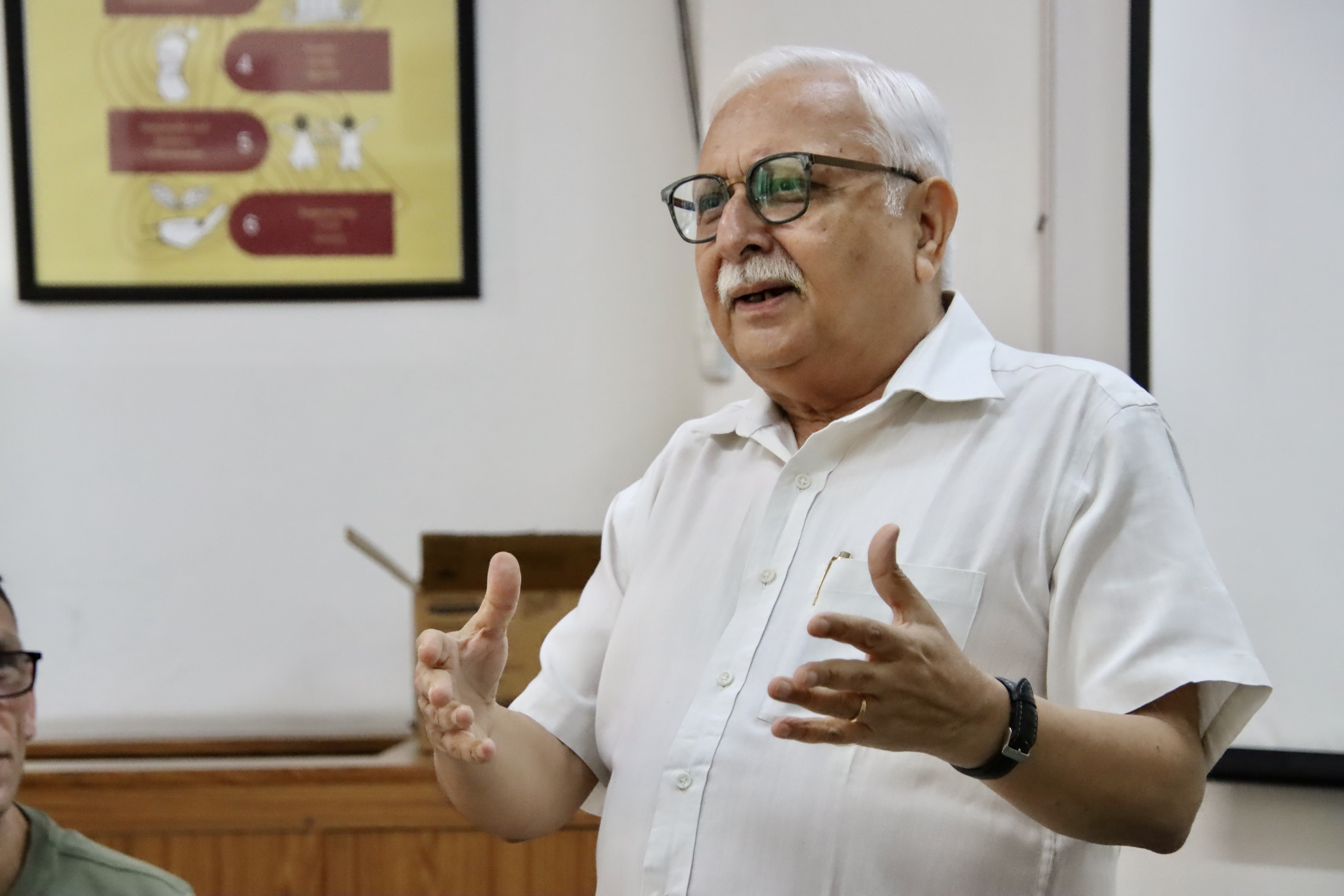
Planning Regional Networks (1989) Introduction to Participatory Research by Dr. Tandon (2024)
Dr. Rajesh Tandon’s legacy reminds us that real change begins by listening to those who are unheard. It affirms that knowledge is not the monopoly of experts—it is something communities live, breathe, and recreate every day.
As PRIA (Participatory Research in Asia) continues to expand its work and reimagine the role of research in social transformation, it stands as a testament to a simple but radical idea: when people participate in producing knowledge, they also participate in shaping their destiny.
“Research must move from the ivory tower to the village square.”
— Dr. Rajesh Tandon
A tribute to Comrade Damodar Thankappan, reflecting on over four decades of friendship, solidarity, and shared work with PRIA. From textile workers’ struggles and occupational health to construction workers’ rights and workers’ cooperatives, the blog celebrates his lifelong commitment to workers’ dignity, leadership, and collective action.
In this blog, Dr. Bandyopadhyay reflects on rethinking monitoring and evaluation in development practice. Drawing on his experience with participatory networks, he explores how organisations can move beyond compliance-driven reporting towards listening, collective learning, adaptation, accountability, and cultures that enable honest reflection.
This blog, by Dr. Anshuman Karol, explores why the future of higher education depends on community-engaged research, global collaboration, and knowledge democracy. It highlights how Community-Based Participatory Research enables universities and communities to co-create solutions for today's interconnected social and environmental challenges.
.png)
.png)