
Author: Rabi Raj | 05-Aug-2024
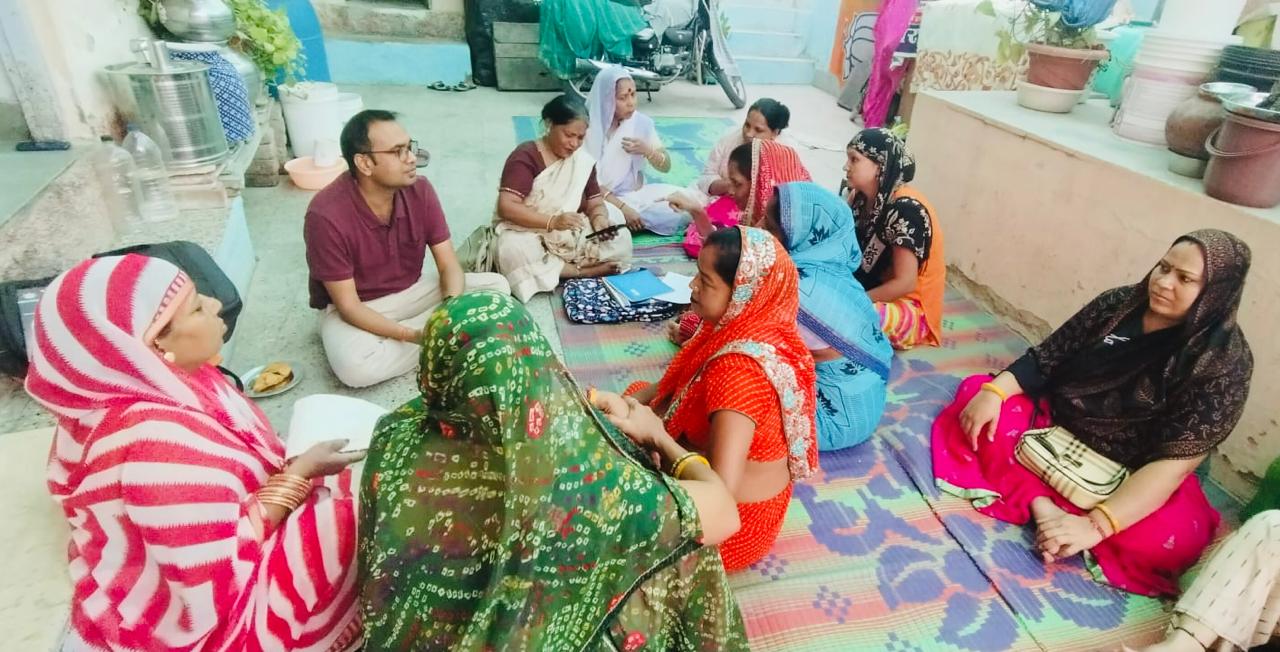
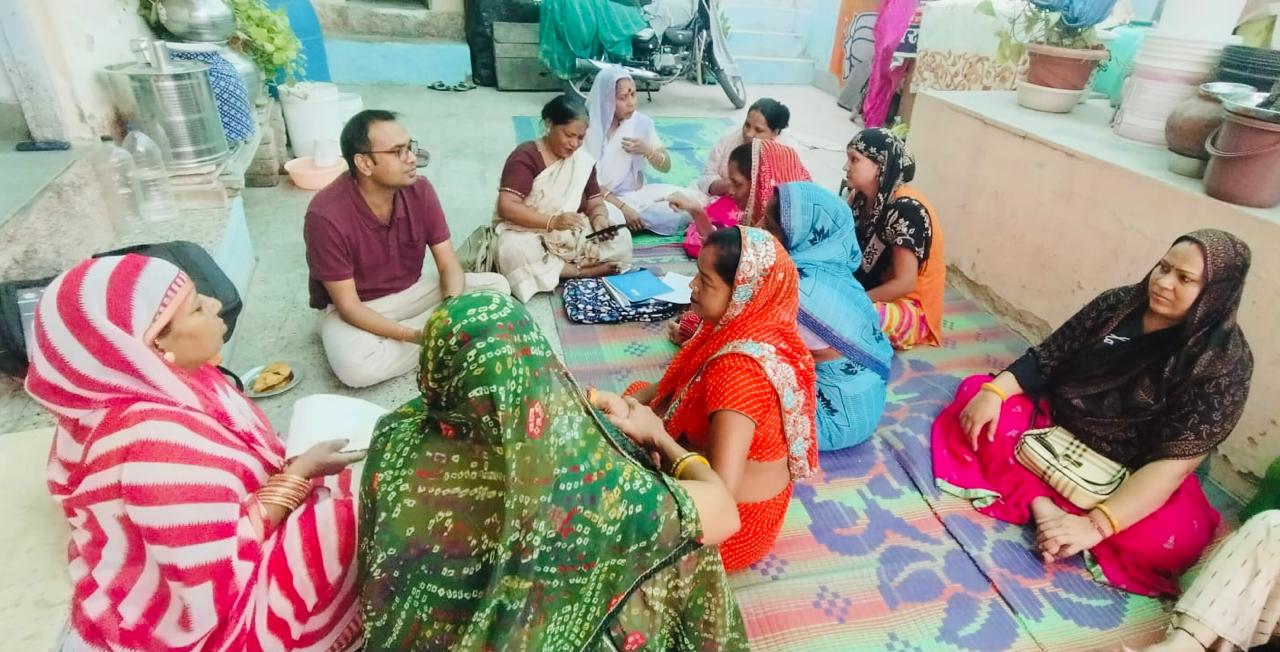
As I walked through the bustling streets of the informal settlements in Ajmer, Rajasthan, notebook in hand and curiosity piqued, I felt a mix of excitement and concern. Our PRIA team had come to this historic city to understand the intricacies of urban water resilience, but what we uncovered was far more complex than anticipated.
;
The stark normalisation of water-related health issues and mobility problems, especially among women, was striking. In Ward 2's Bairwa Basti, a group of women casually discussed their frequent illnesses as if discussing the weather. The silence from men on these issues was equally surprising. Local health officials at the Department of Community Medicine, JLN Medical College, Ajmer, seemed more interested in drawing comparisons with other cities rather than addressing Ajmer's unique challenges.
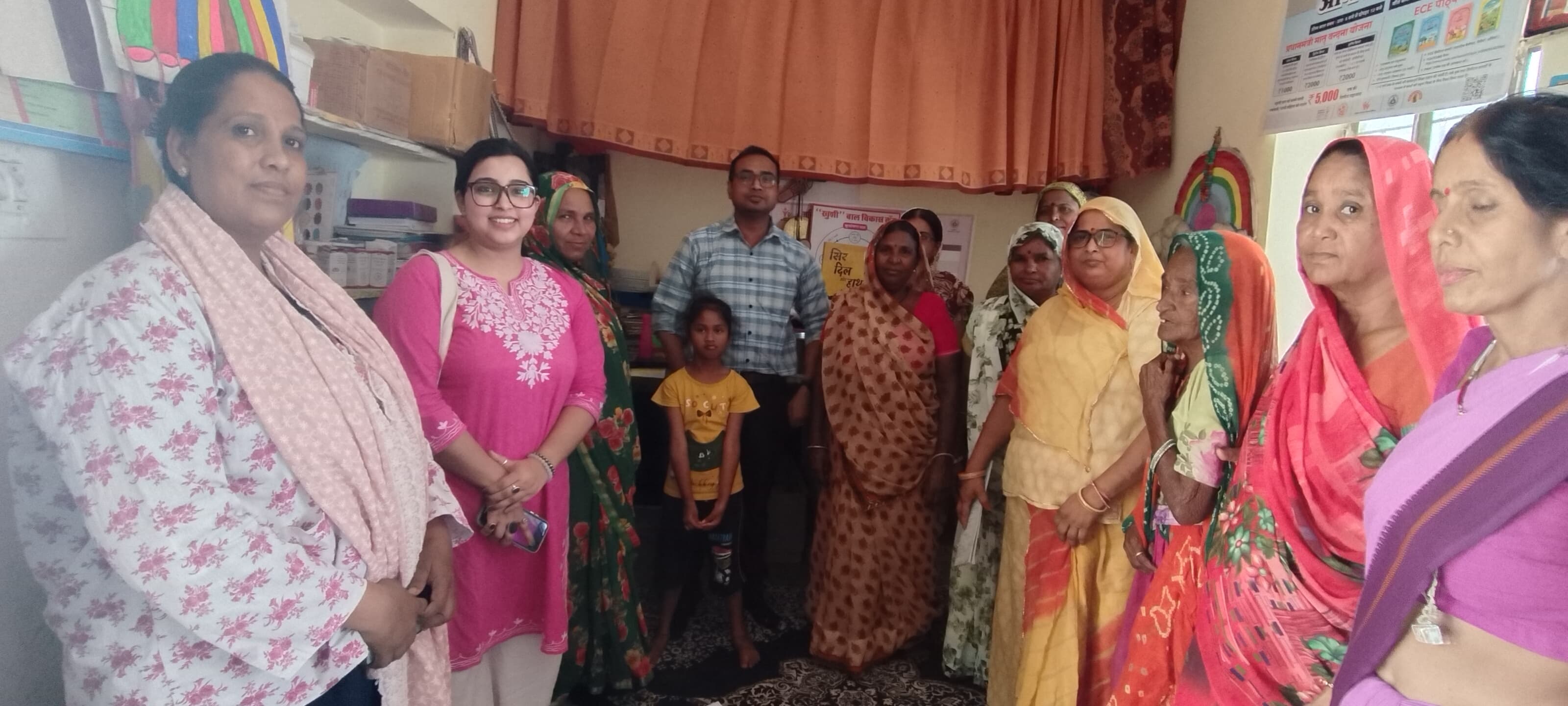
The differences between Ward 2 and Ward 48 were palpable, particularly in terms of unity, awareness, and leadership. Each area had its own water narrative and struggles, making it clear that a one-size-fits-all approach would never work here.
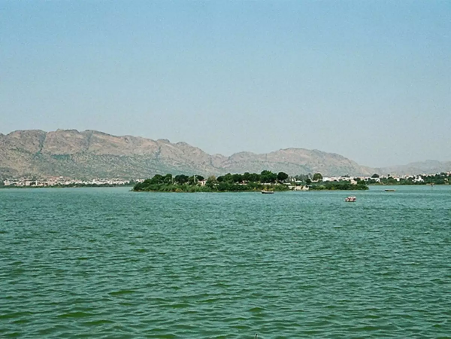
One afternoon, I conversed with a PHED official about water sources. His words stuck with me: "Nothing has changed. The water still comes from either Bissalpur or Fayasagar." Despite unchanged sources, the theme of scarcity was evident. Rapid urbanisation of Ajmer was putting immense pressure on its water resources, a concern echoed in residents' worried faces.
Visits to the Public Health Engineering Department (PHED) and the Department of Community Medicine at the medical college brought a glimmer of hope. The unexpected empathy shown by officials made me wonder how this compassion could be channeled into actionable change.
However, optimism was tempered when discussing Self-Help Groups (SHGs) with a local official. Her words still ring in my ears: "Jab pressure tha sarkar ka shuru me, tab water training ki thi ek CFAR(Centre for Advocacy & Research) ki help se." (When there was government pressure initially, water training was conducted with CFAR's help.) But enthusiasm had waned, and she seemed unaware of Gender Equality and Social Inclusion (GESI) guidelines. Her dismissal of SHGs' potential without incentives felt like a missed opportunity, and she deflected blame onto the SHGs rather than acknowledging any institutional shortcomings.
Perhaps the most disheartening realisation came from interactions with community members. Many seemed resigned to their circumstances, almost numb to daily hardships. In one household, I watched as water flowed freely from a tap, wasted, while just streets away, others struggled for every drop. The concept of sustainable water use seemed foreign here.
The communication gap and lack of engagement between the community and government stakeholders was palpable. In meetings and interviews, I often felt like I was hearing two sides of the same story, told in completely different languages. Bridging this gap, I realised, would be crucial to any lasting solution.
As I wrapped up my field visit, a conversation with a PHED official stuck with me. Their focus was primarily on rural areas for (Jal Mission) water management and awareness, leaving urban water management in a precarious position. It was a stark reminder of the urban-rural divide shaping resource allocation and intervention strategies.
Leaving Ajmer, I felt a mix of emotions. The challenges were immense, but so was the potential for positive change. The stories I heard, the faces I saw, and the realities I witnessed will stay with me as we continue our work on the SECURe project & Urban water resilience planning & implementation. There's much to be done, but I left with a renewed commitment to finding contextual, inclusive solutions for urban water resilience.
The journey to a more resilient Ajmer will be long, but it's a journey worth taking. It starts with listening to and amplifying the voices of those who call this city home while working to bridge the gaps between communities and stakeholders.
A tribute to Comrade Damodar Thankappan, reflecting on over four decades of friendship, solidarity, and shared work with PRIA. From textile workers’ struggles and occupational health to construction workers’ rights and workers’ cooperatives, the blog celebrates his lifelong commitment to workers’ dignity, leadership, and collective action.
In this blog, Dr. Bandyopadhyay reflects on rethinking monitoring and evaluation in development practice. Drawing on his experience with participatory networks, he explores how organisations can move beyond compliance-driven reporting towards listening, collective learning, adaptation, accountability, and cultures that enable honest reflection.
This blog, by Dr. Anshuman Karol, explores why the future of higher education depends on community-engaged research, global collaboration, and knowledge democracy. It highlights how Community-Based Participatory Research enables universities and communities to co-create solutions for today's interconnected social and environmental challenges.
.png)
.png)