
Author: Kaustuv K. Bandyopadhyay, Meghna Sandhir, Shruti Priya | 29-Jan-2025
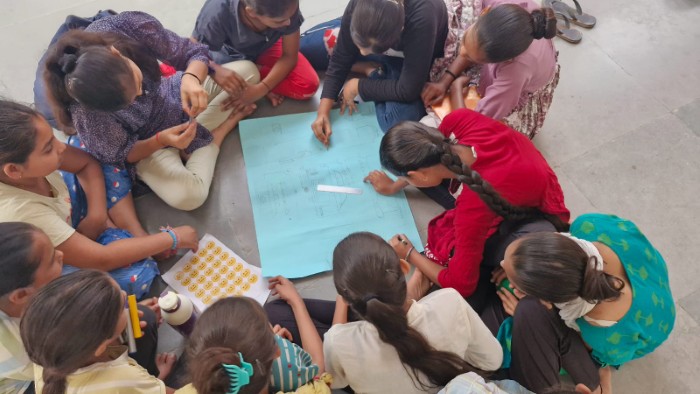
Urban mobility is more than just a functional necessity—it is a matter of equity, determining access to education, employment, healthcare, and community life. In cities like Ahmedabad, transportation systems profoundly affect the daily lives of women, adolescent girls, and marginalized groups. Yet, these systems often fell short of accounting for their unique challenges, leaving them to navigate unsafe, inconvenient, and inaccessible spaces. Addressing these issues requires a shift in how we design urban mobility: prioritizing safety, affordability, and inclusivity for all.
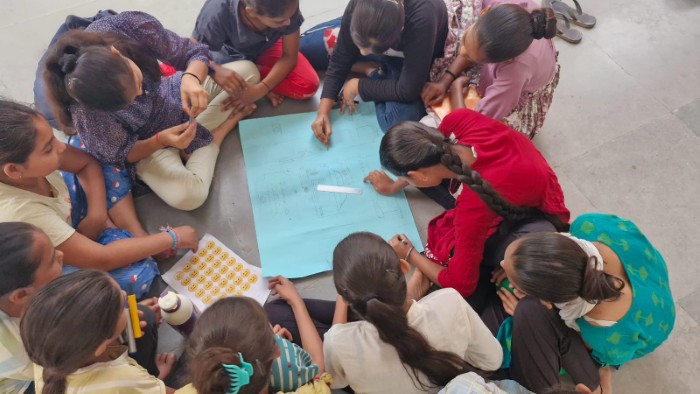
Ahmedabad’s mobility landscape reflects both progress and persistent gaps. Initiatives like the Janmarg Bus Rapid Transit System (BRTS) have been celebrated for their efficiency and capacity to move large numbers of people. However, they remain insufficient for addressing the nuanced needs of many vulnerable groups. Many neighborhoods, especially on the city’s periphery, lack reliable first- and last-mile connectivity, creating “transport deserts”; an area with limited transportation supply a term coined by Junfeng Jiao and Maxwell Dillivan .
Women face significant safety concerns when using public transit, with poorly lit bus stops, overcrowded buses, and harassment being common experiences. Shared autos, while offering convenience, present their own challenges, such as high costs and cramped, unsafe conditions. These issues came to the fore during our recently conducted participatory research as part of the MobiliseHER project, a collaboration between CEPT Research & Development Foundation (CRDF) and Participatory Research in Asia (PRIA) in Ahmedabad. The project aims to address gender inequities in urban mobility by applying participatory planning approaches and engaging directly with affected communities. During our interactions with the communities in Vasna, Narol, and Behrampura, we explored the transportation challenges faced by women, adolescent girls, and informal women workers.
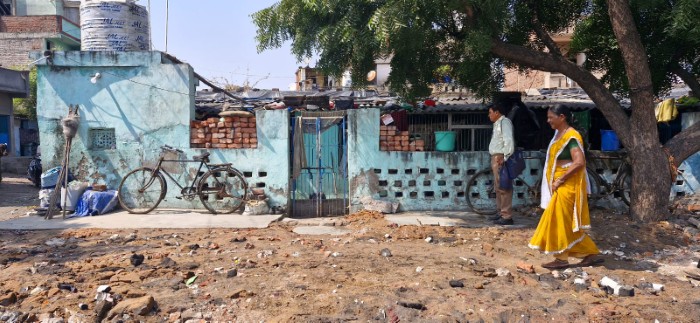
In Vasna’s Gupta Colony, a group of women aged 28 to 70 shared their reliance on buses and shared autos. While buses are more affordable, their unpredictable schedules and not enough first and last mile connectivity often make shared autos the preferred choice. However, the cramped conditions in the autos frequently lead to harassment, leaving women to weigh the convenience of direct drop-offs against significant safety concerns. For some, learning to ride scooters has been a game-changer, offering greater independence and reducing reliance on public transport. Yet, this remains a privilege that only a few women can access due to financial and cultural barriers.
In Behrampura, women working from home preparing chapatis for local hotels described their dependence on shared autos for quick and direct transportation. Many rely on male family members for deliveries beyond their neighborhoods, further limiting their mobility. Meanwhile, adolescent girls in Narol shared their struggles with poor road infrastructure and overcrowded buses. Unsafe routes, especially at night, further restrict their freedom, highlighting how mobility challenges intersect with broader social norms that limit women and girls’ movement. A few girls have learned to ride scooters, which they described as empowering, but the opportunity remains limited to those with access to financial resources and support from their families. For informal workers in Behrampura, the challenges extend beyond personal mobility. Male street vendors recounted pushing carts through pothole-ridden roads, particularly during the monsoon season, while women working from home shared their safety concerns even in bustling areas like Jamalpur. Despite police presence, these areas remain unsafe at night due to incidents of drinking and harassment. Across all groups, one consistent theme emerged: mobility is not just about affordability—it is about safety, reliability, and convenience.
Urban mobility in Ahmedabad, like many other cities, plays a crucial role in shaping the daily lives of its residents, especially women, adolescent girls, and marginalized communities. While urban transportation systems have evolved over the years, they often fail to account for the specific challenges faced by these groups, leaving them to navigate spaces that are unsafe, inconvenient, and inaccessible. This creates barriers to education, employment, healthcare, and participation in community life, further reinforcing existing inequalities. Addressing these issues requires a shift in the way urban mobility is designed, prioritizing safety, affordability, and inclusivity for all citizens.
Initiatives like Jan Vikas' Driverben program, which trains women as professional drivers, have been instrumental in addressing these challenges. Since its inception, Driverben has employed over 150 women, providing safer and more reliable transport for women and children across the city. This initiative not only enhances safety but also fosters economic independence for women, helping them break free from traditional roles while contributing to the mobility sector. Additionally, the SEWA Women’s Rickshaw Cooperative has expanded opportunities for female rickshaw drivers, with over 200 women providing affordable, safe rides to more than 20,000 women commuters annually. This cooperative not only offers safer transport options but also generates livelihoods, contributing to both economic empowerment and improved mobility for women.
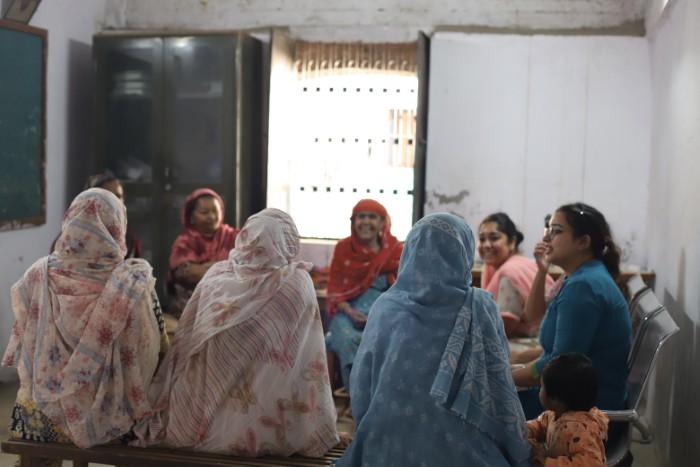
Another notable initiative is the Urban Planning and Governance Initiative (UPGI), which has utilized gender-disaggregated mobility maps to advocate for better public transit in underserved neighborhoods like Vatva and Naroda. These efforts led to the introduction of feeder buses connecting these areas to the BRTS network, benefiting over 15,000 commuters, particularly women, who now have safer and more convenient travel options. The Mahila Housing Trust (MHT) has also worked to improve access in resettlement colonies by paving pathways and introducing affordable shared transport services, benefiting over 10,000 low-income residents, many of whom are women. This intervention has significantly improved access to essential services for women living in these communities, demonstrating how targeted interventions can address mobility challenges in informal settlements.
Moreover, the Centre for Urban Equity (CUE) has introduced gender-sensitive urban designs, such as pedestrian-friendly zones and upgraded transit hubs, ensuring that public spaces are not only functional but inclusive and secure for women. These changes have positively impacted thousands of women, making urban spaces safer and more accessible. Additionally, Saath Charitable Trust has been a vocal advocate for informal workers, pushing for more BRTS stops in areas like Jamalpur and Behrampura. These efforts have made a significant difference for over 8,000 informal workers, many of whom are women, by improving their access to public transport and enabling them to reach their workplaces more safely and efficiently.
Despite these impressive interventions, there is still much work to be done. Many areas in Ahmedabad remain unsafe due to poorly lit streets, isolated roads, and spaces frequented by harmful behaviors. Addressing these gaps will require sustained efforts to integrate safety measures into urban planning and transportation policies, ensuring that women and marginalized communities can move freely and safely.
These interventions highlight the transformative potential of participatory planning, co-creating local solutions, and collaboration between CSOs and government authorities. However, there is still much work to be done. Several unsafe areas across Ahmedabad, characterized by poorly lit streets, isolated roads, and spaces frequented by men engaging in harmful behaviors. Addressing these gaps requires sustained efforts to integrate safety measures into urban planning and transportation policies.
The road ahead lies in creating systems that are not only affordable but also inclusive and responsive to the needs of all genders. Ahmedabad’s experience underscores the importance of integrating gender-sensitive infrastructure, strengthening public transit, and fostering community involvement in shaping urban mobility. The initiatives above demonstrate that change is possible when the voices of women, girls, and informal workers are placed at the center of planning and policymaking.
As cities across India look to address similar challenges, a roadmap to begin with in building safer, more inclusive urban mobility systems is by prioritizing gender equity. We can transform transportation from a barrier into a bridge that connects people to opportunities, fosters independence, and ensures that mobility is a universal right, not a privilege.
A tribute to Comrade Damodar Thankappan, reflecting on over four decades of friendship, solidarity, and shared work with PRIA. From textile workers’ struggles and occupational health to construction workers’ rights and workers’ cooperatives, the blog celebrates his lifelong commitment to workers’ dignity, leadership, and collective action.
In this blog, Dr. Bandyopadhyay reflects on rethinking monitoring and evaluation in development practice. Drawing on his experience with participatory networks, he explores how organisations can move beyond compliance-driven reporting towards listening, collective learning, adaptation, accountability, and cultures that enable honest reflection.
This blog, by Dr. Anshuman Karol, explores why the future of higher education depends on community-engaged research, global collaboration, and knowledge democracy. It highlights how Community-Based Participatory Research enables universities and communities to co-create solutions for today's interconnected social and environmental challenges.
.png)
.png)