A blog promoting 'participation as empowerment' with the perspective of making democracy work for all, every day - within families, communities, institutions, and political systems
Working at PRIA, often leads us to various cities across the country. Each trip is an opportunity to witness firsthand the challenges and triumphs of different communities.
Mr. Yedukrishnan V has recently joined PRIA after gaining valuable experience in the development sector. Drawing from his journey in the social sector and personal encounters in Kerala, he emphasises the importance of participatory governance and research in empowering marginalised communities.'
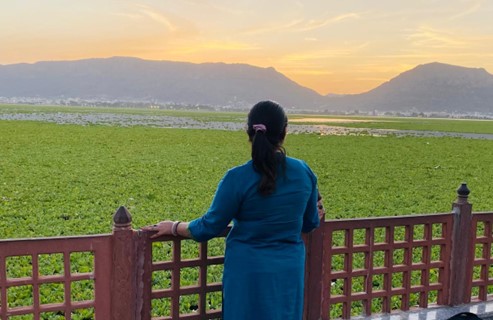
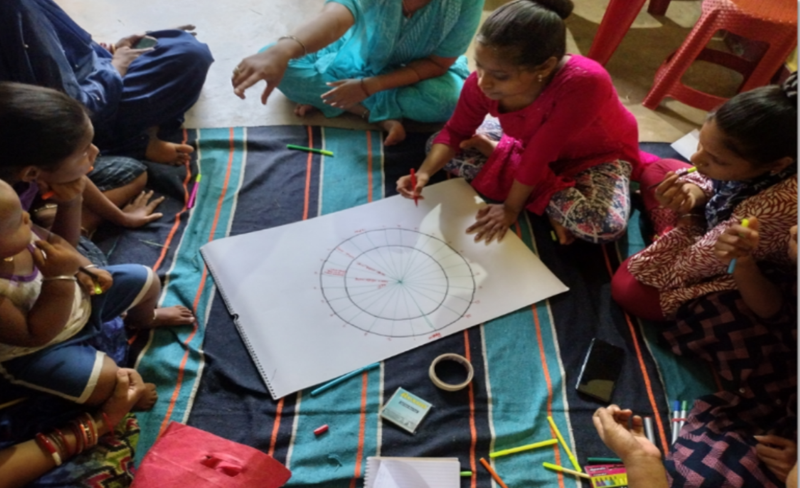
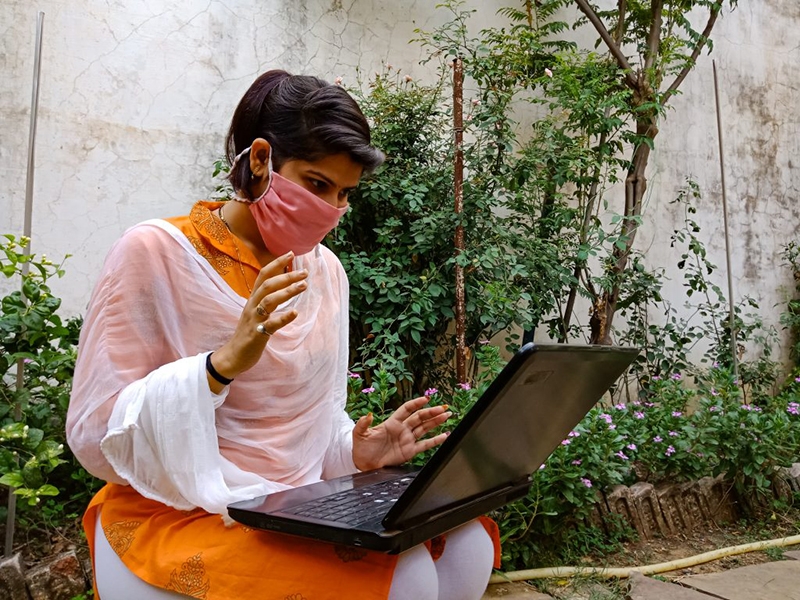
Ms. Meghna Sandhir, along with our team members, has been engaged in the Drivers, Limiters, and Barriers to Women's Trust in Digital Platforms Project since last year. She is blogging about her firsthand experiences from visiting our project sites in India.
Ms. Aashini Goyal, along with our team, has been working on the Drivers, Limiters, and Barriers to Women's Trust in Digital Platforms Project for the past two months. This blog recounts her firsthand experiences from visiting our project site in India.
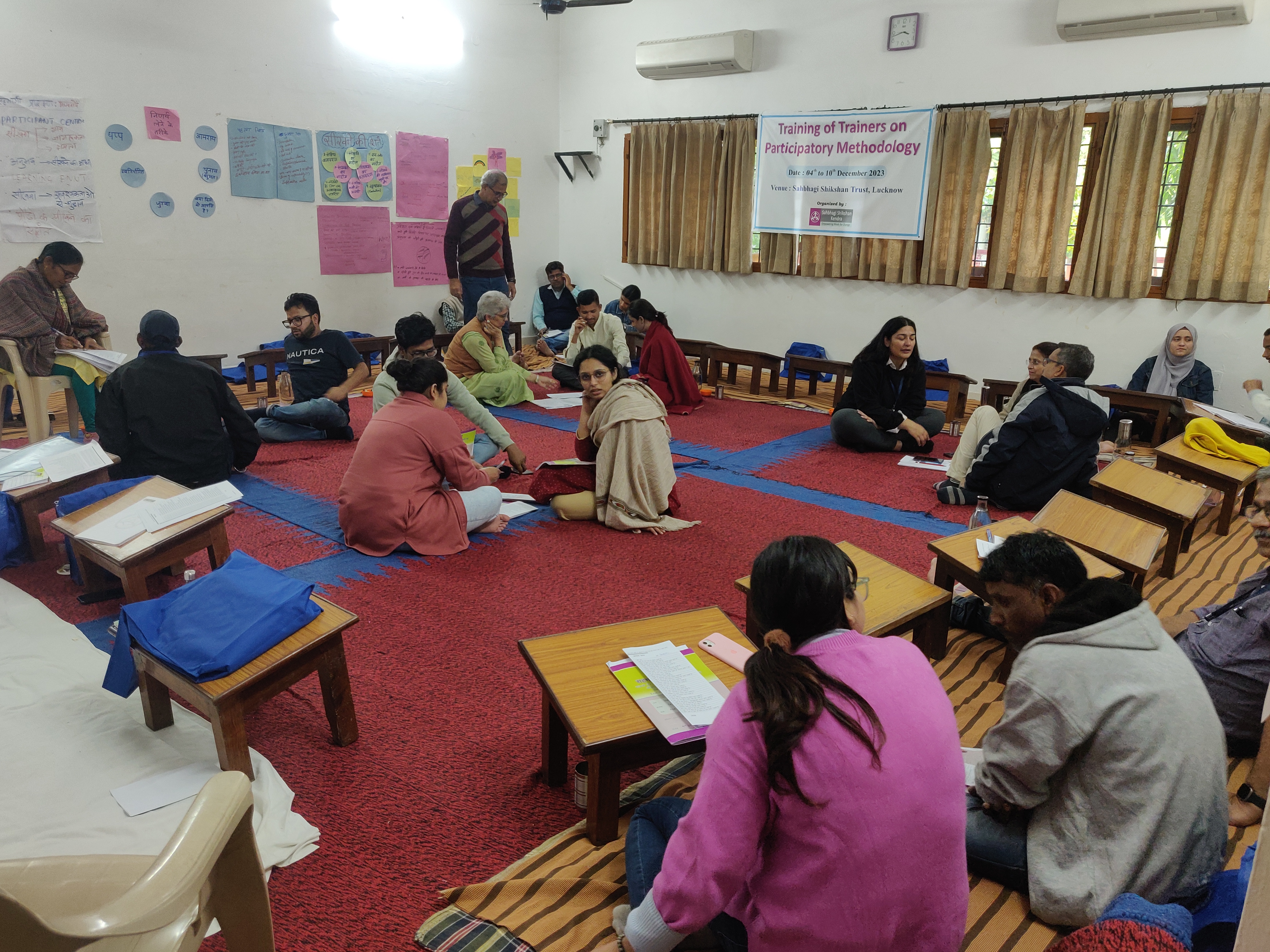
Ms. Meghna Sandhir, our programme officer, along with colleagues from Martha Farrell Foundation and Pro Sport Development, participated in the Trainers of Training (ToT) program conducted at Sahbhagi Shikshan Kendra - SSK Lucknow. The training took place from December 4th to December 10th, 2023.
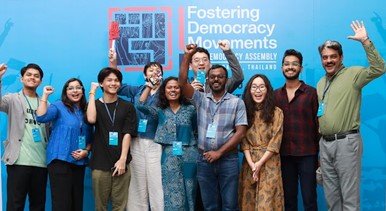
Our Program Officer, Ms. Shruti Priya, attended the Youth Solidarity and Leadership Training held in Bangkok, Thailand organised by the Asia Democratic Network in partnership with Forum Asia. The training was followed by a two-day Asia Democracy Assembly "Fostering Democracy Movements: Building Strategic Partnerships and Sustainable Cooperation in Asia".
During on my final stage interview at PRIA, I was fortunate enough to engage in discussion with Rajesh Tandon Sir, on a recurring observation of mine on how policies and studies are often designed remotely, with researchers comfortably stationed in cities like Delhi, Mumbai, or Bangalore, far removed from the very communities they aim to ‘support’.
Over the past 12 months of the pandemic, millions of citizens around the world have ‘unlearned’ old ways of being, while learning new behaviours. For rural communities in India, lockdown created greater reliance on local sources of food, water and preventive health care.
Recently, I attended the DELIVERING DEMOCRACY: Retrospect and Prospect conference organized by the G20 Civil Society 20 Delivering Democracy Working Group Secretariat, which was a remarkable experience. The conference aimed to explore innovative ideas and solutions to strengthen democratic institutions and promote civic engagement.
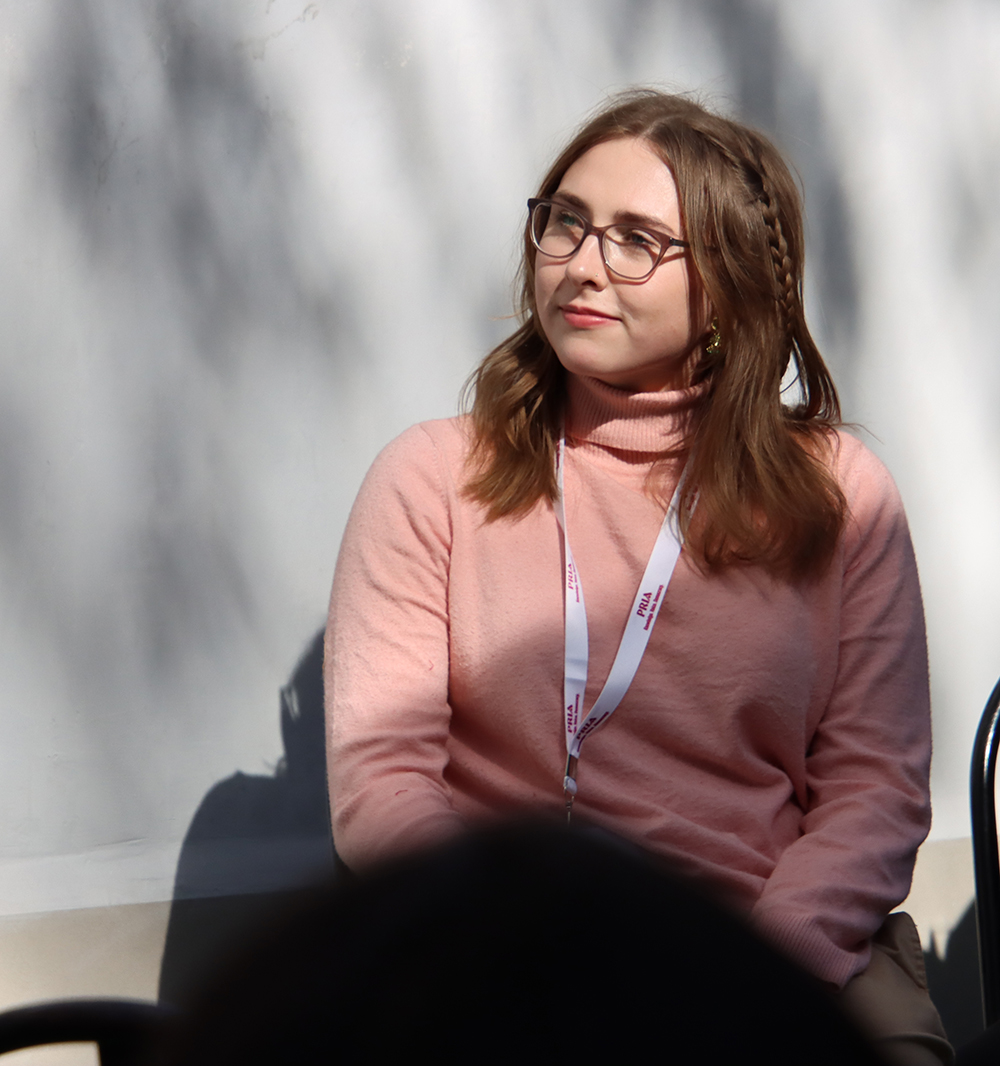
Settling into a seat at my assigned table, I glanced around with nervous anticipation. It was a chilly Sunday morning in early February and guests from across India, as well as some from abroad, were gathering in the colorfully decorated outdoor space behind PRIA’s office in New Delhi.
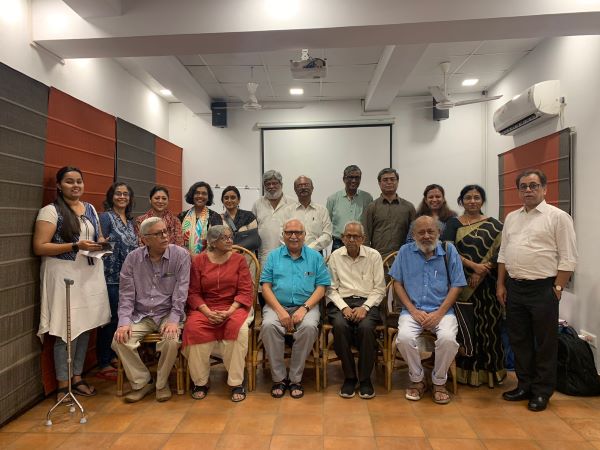
These are the voices of civil society leaders in a recent get-together in Kolkatta. Such voices can also be heard from any other part of the country, or for that matter perhaps, from any other country in the world.
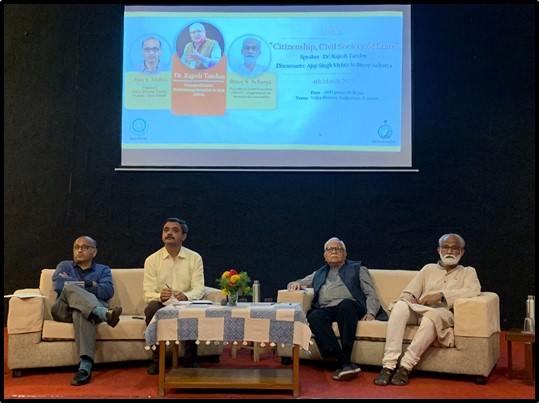
As a means to commemorate 40 years of Participatory Research in Asia’s journey, Dr. Rajesh Tandon (Founder-President, PRIA) embarked on a visit to Udaipur.
In a country like India, with wide socio-economic and cultural disparities, a centralised approach to program design runs the risk of excluding the target group from accessing social welfare benefits, such as health and education.
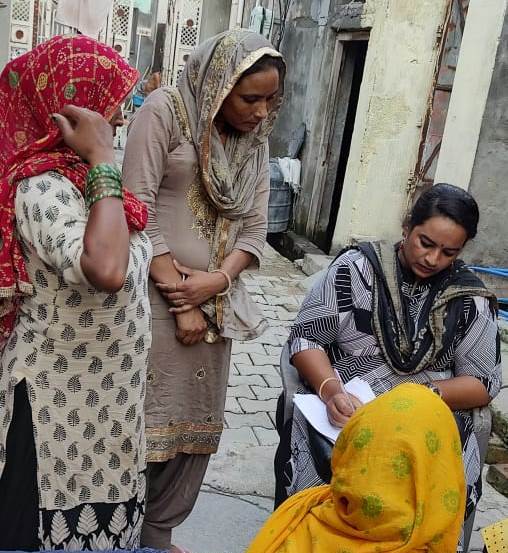
Samiksha Jha and Niharika Kaul are working to increase the agency of women domestic workers in Panipat and Gurugram and support them in finding alternative livelihood options that would mitigate some of the economic uncertainty in the lives of these women .
“I was told by elders that mobilising youth around menstruation issues in Bhagalpur was impossible; I went ahead anyway…” Shalini started Alharh, a campaign aimed at creating a robust community in a small town in Bihar (India), to spread awareness and smash stigma around menstrual health and hygiene.
.png)