
“यह महिला सà¤à¤¾ पहली सà¤à¤¾ थी I गà¥à¤°à¤¾à¤® सà¤à¤¾ का कà¤à¥€ अनà¥à¤à¤¬ नहीं किया और हमेशा मन में सवाल होता था की सà¤à¤¾ में कैसे बात होती है, कà¥à¤¯à¤¾ होता होगा गà¥à¤°à¤¾à¤® सà¤à¤¾ में I
जब मेने महिला सà¤à¤¾ का उदà¥à¤¦à¥‡à¤¶à¥à¤¯ सà¥à¤¨à¤¾ कि इस सà¤à¤¾ में केवल महिला आपनी सà¤à¥€ समसà¥à¤¯à¤¾ पर बात कर सकती है, तो मेरा मन हलà¥à¤•à¤¾ हà¥à¤† और बात करने कि जो इचà¥à¤›à¤¾ थी कि मे सà¤à¥€ के सामने आपनी परेशानी को सजा करॠ“I महिला सà¤à¤¾ में à¤à¤¾à¤— लेने क बाद मेरा होसला और बà¥à¤²à¤‚द हà¥à¤† और गाà¤à¤µ के दà¥à¤†à¤°à¥‡ महिलाओ को पà¥à¤°à¥‹à¤¤à¥à¤¸à¤¾à¤¹à¤¿à¤¤ करà¥à¤à¤—ी à¤à¤¸à¤¾ सà¤à¤¾ में à¤à¤¾à¤— लेने के लिया”
-Babli Bua, Kushalpura Village, Rajasthan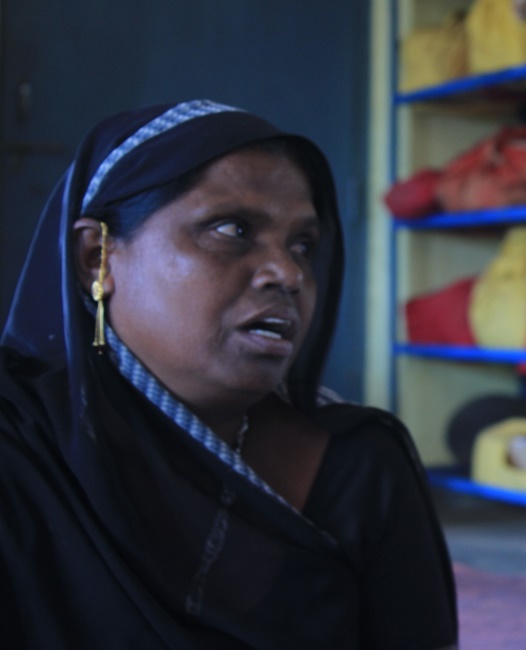 Despite various constitutional and international conventions to protect the rights of women and promote women participation, there is a vast gender disparity with regards to participation and representation of women, in both rural and urban areas in India. As per the Panchayat Raj Act, over the last two decades, Panchayats have been given more financial and administrative autonomy so that they can prepare gram-centric developmental plans for their Gram Panchayat (GPs).
In the current democratic set up, Gram Panchayat Development Plans (GPDP) are formulated after discussion through open village platforms such as the Gram Sabha. However, the political reality is that in most of the places, Gram Sabhas are organised without quorum, with participation of women being very low. In Govindgarh and Banswara blocks in Rajasthan, majority of women shared that while they were generally informed about the dates of Gram Sabhas, they did not have the confidence to talk about their issues. A large part of the reason for this was that most of the issues related to women were not being addressed properly, and secondly, that they generally didn’t feel comfortable in sharing and discussing “their issues” in front of male members of the society, especially the elderly/senior male members who attended these Gram Sabhas.
Taking note of women’s difficulties and constraints in participating in Gram Sabhas, as part of the Apni Swasthya, Apni Pehel project, PRIA helped organise the first Mahila Sabha in Banswara and Talwara blocks of Rajasthan. Mahila Sabhas are women-only meetings, designed to give a platform to women in the village to come together and discuss their issues and identify solutions. These Mahila Sabhas were organised in 18 GPs of Banswara and Talwara, and were attended in large numbers, with 980 women coming together to express about their daily struggles against issues such as domestic violence, lack of adequate care and support during pregnancy, women’s lack of decision making power, financial dependence on their husband, etc.
The power of the Mahila Sabha is exemplified by the story of “Babli Bua”, a woman who got the opportunity to participate in Mahila Sabha for the first time. She has been residing in Kushalpura village for more than 40 years. But, despite being one of the senior members of the village, she never got the opportunity to participate in a Gram Sabha.
Throughout her life, Babli Bua managed her household duties (like any “diligent wife”) and after her husband’s death, she also took up the responsibilities as bread earner for her family. As a woman, a widow and the sole bread earner, she was forced to put aside all of her own desires and ambitions for her family. This was exacerbated by the fact that, due to her being a woman, her decisions and choices were never taken into consideration, which led to her, painfully, and gradually losing her confidence and destroying any hope she had of raising or demanding for anything that she was entitled to. But despite these societal restrictions, she did not bow down. Looking at other women of her village, who were being discriminated against as well as being victims of various forms of violence at home, she tried to encourage them to speak up against such violence rather than accept it.
One of the main issues plaguing the village was alcoholism. A lot of the men in the village would come back home from work, heavily intoxicated. The effect of this alcoholism was being borne by the women themselves as most of them would experience episodes of domestic violence, where they would be beaten by their husbands for minor indiscretions. Babli Bua wanted to stop such violence, and she along with other women in the village went to the Sarpanch office and demanded for all alcohol shops in their village to be closed down. But their requests were not even heard, let alone being addressed. Sensing the familiar inevitability of a lack of action, she along with other women in the village started a movement and with 300 other women, destroyed all of the alcohol shops in the village.
But despite these radical actions, alcoholism continued to run rampant in the village. This greatly bothered Babli Bua, as she immediately felt the familiar feeling of being “stuck”, that she as a woman, despite having taken action, was back where she started.
She had wanted to raise the issue at the political forum but she was clueless about where their voices could be heard. However, there was some hope. During that time, a notification of organising Mahila Sabhas was circulated in all the GPs. PRIA’s field facilitator (known as “animators”) Manisha went with the notification and mobilised women to participate in the Mahila Sabhas. Manisha informed Babli Bua about the Mahila Sabhas. This immediately made Babli Bua curious, and she asked a whole host of questions. What is Mahila Sabha? What happens in Mahila Sabhas? Will anything happen to us if we attend it? Manisha answered all the queries of Babli Bua and other women and assured them that their voices and issues would be heard. With a ray of hope in their eyes, Babli Bua along with 30 other women participated for the first time in Mahila Sabhas at Kushalpura GP.
For the first time, Babli Bua and women put across their concerns and demands. Such platforms gave a space to women to discuss about their struggles. With such discussion many women like Babli Bua found their lost voice and now they know the right platform to demand their entitlements. Having been mobilised, they were now able to put forward their demands in a more consolidated and organised fashion at the next Gram Sabha, knowing that they were not alone in the struggle for better conditions for the women in their village. For the first time, their demands were heard, and acknowledged by the male members, a small yet incredibly important step, which opens the route to further change and improvement. The power of the Mahila Sabha was such that they are now motivated to organise Mahila Sabhas in their village, on their own, without the need for PRIA’s interventions.