
A study, conducted by PRIA in collaboration with KILA Urban Policy Cell, under the 'Collective Local Governance Pillar' of Kerala Urban Policy Commission



As one of India’s most rapidly urbanising states, Kerala presents unique urbanisation patterns, with the urban population increasingly distributed across smaller, newly classified urban areas rather than concentrated in large metropolitan centers. With nearly half of its population in urban areas, Kerala’s urbanisation trends have created both significant opportunities and challenges in sustaining quality of life, infrastructure, environmental sustainability, and inclusivity.
About Commission: Historically, Kerala had demonstrated a progressive approach to decentralization, with the People’s Plan Campaign in 1996 fostering participatory governance. Kerala’s local self-governance, through its municipalities and panchayats, has been instrumental in bridging the gap between state governance and citizen needs, delivering essential welfare programs directly to citizens. Recent developments include the formation of the Kerala Urban Policy Commission (KUPC) in December 2023, an initiative aimed at crafting a forward-looking urban policy to guide Kerala’s urban growth for the next 25 years. This policy initiative comes in the context of Kerala’s distinctive ‘rurban’ character, where the urban and rural areas blend seamlessly, demanding tailored governance strategies.
The study, conducted by PRIA in collaboration with KILA Urban Policy Cell, came under the 'Collective Local Governance Pillar' of Kerala Urban Policy Commission. PRIA assessed citizen experiences, expectations, and engagement within Kerala’s evolving urban governance landscape. This 'Citizens Report on Urban Local Governance' provided insights into the current state of citizen engagement in urban planning and governance, while also identifying and suggesting avenues for enhancing public participation in urban governance processes.
Methodology:
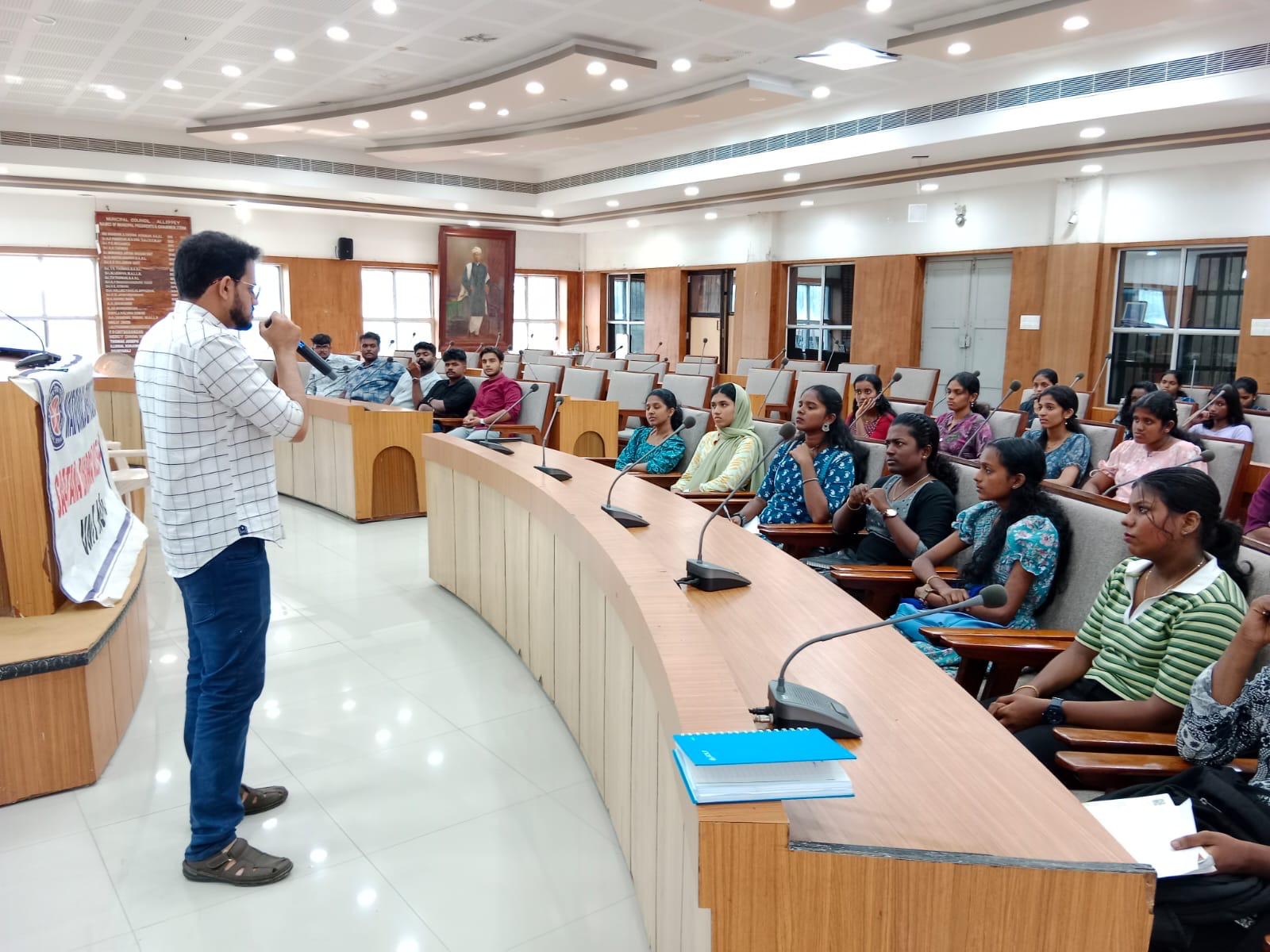
A. Stakeholder consultations in Municipal Corporations of Kochi, Thiruvananthapuram and Kozhikode and municipalities of Alappuzha and Palakkad. The stakeholders consulted were:
B. Citizens Aspiration Survey (Online) with Residents of municipalities
(Participants in discussions: 426
Survey Participants: 72)
Drawing from the key findings from consultations and survey, the study put forward several policy recommendations for ensuring public participation in local governance such as through convening neighborhood sabha at local levels, involving youth in governance through dedicated youth councils and municipal cadet system, gender mainstreaming and capacity building of local governance institutions, enhanced information dissemination to improve participation in ward sabha meetings, etc.