
| Date 28-Sep-2024 to 28-Sep-2024 |
Location UNESCO Office, New Delhi |
Format Institutional |
The Martha Farrell Award for Excellence in Women’s Empowerment and Gender Equality is a first-of-its-kind initiative to discover, recognize, and honor mid-career individuals and committed institutions which have made valuable contributions in the areas of women’s empowerment, gender equality, and living feminism in their everyday lives and practices. The Award offers nominees and winners a platform to grow and network with like-minded professionals and institutions working in the space of gender empowerment and equality. Winners also receive a prize money component of INR 1,50,000 each.
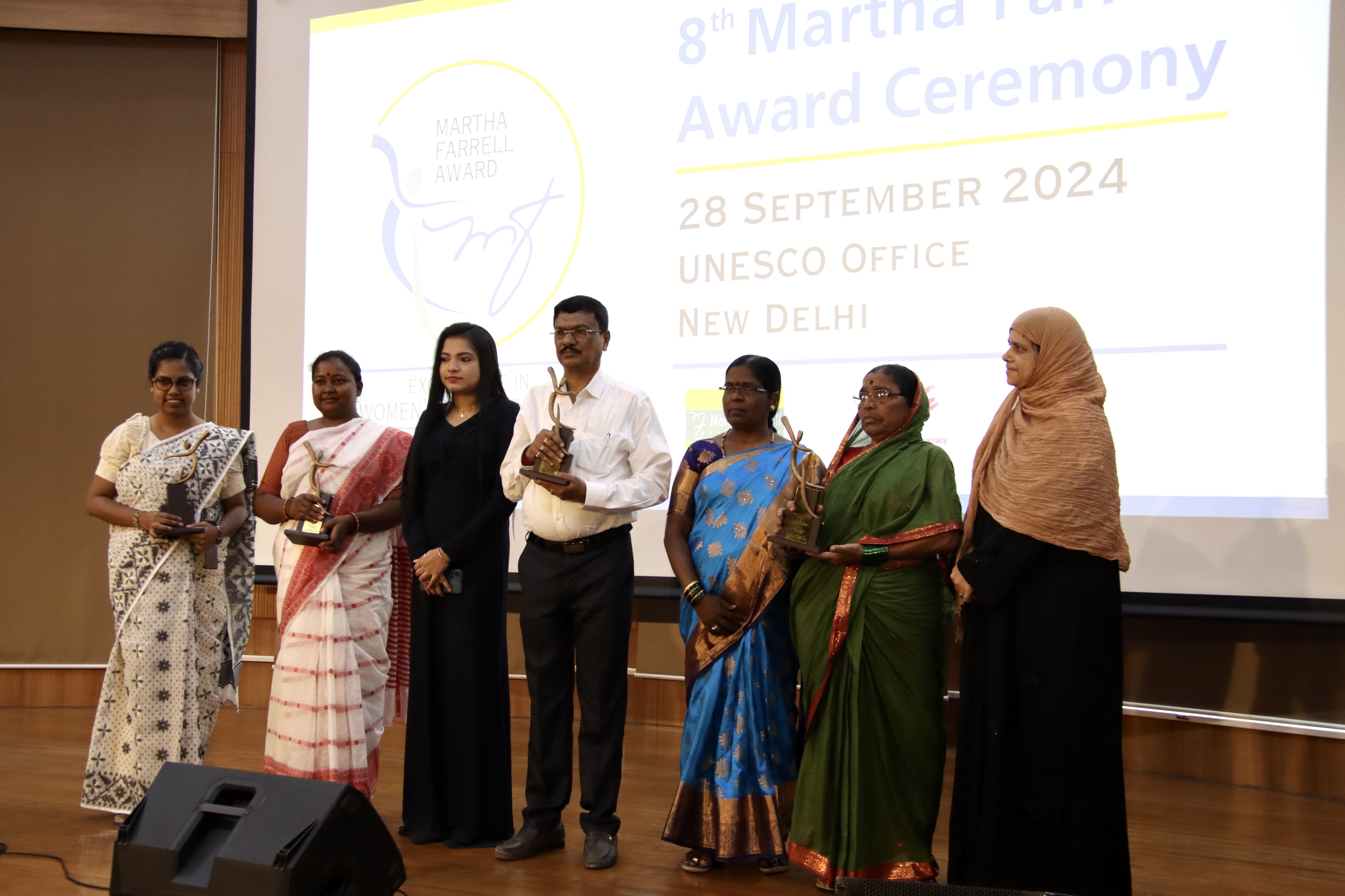
The 8th Martha Farrell Award ceremony, jointly organised by PRIA and Martha Farrell Foundation, was held on September 28th, 2024 at UNESCO New Delhi Cluster Office.
Prof. Deepak Nayyar, Professor Emeritus of Economics at JNU and former Vice Chancellor of the University of Delhi, presented the Most Promising Individual Award to Ms. Augustina Soreng. A dedicated social activist, Ms. Soreng has been tirelessly working for the upliftment of tribal women and girls in Simdega district, Jharkhand, advocating for their rights as guaranteed under the Constitution of India.
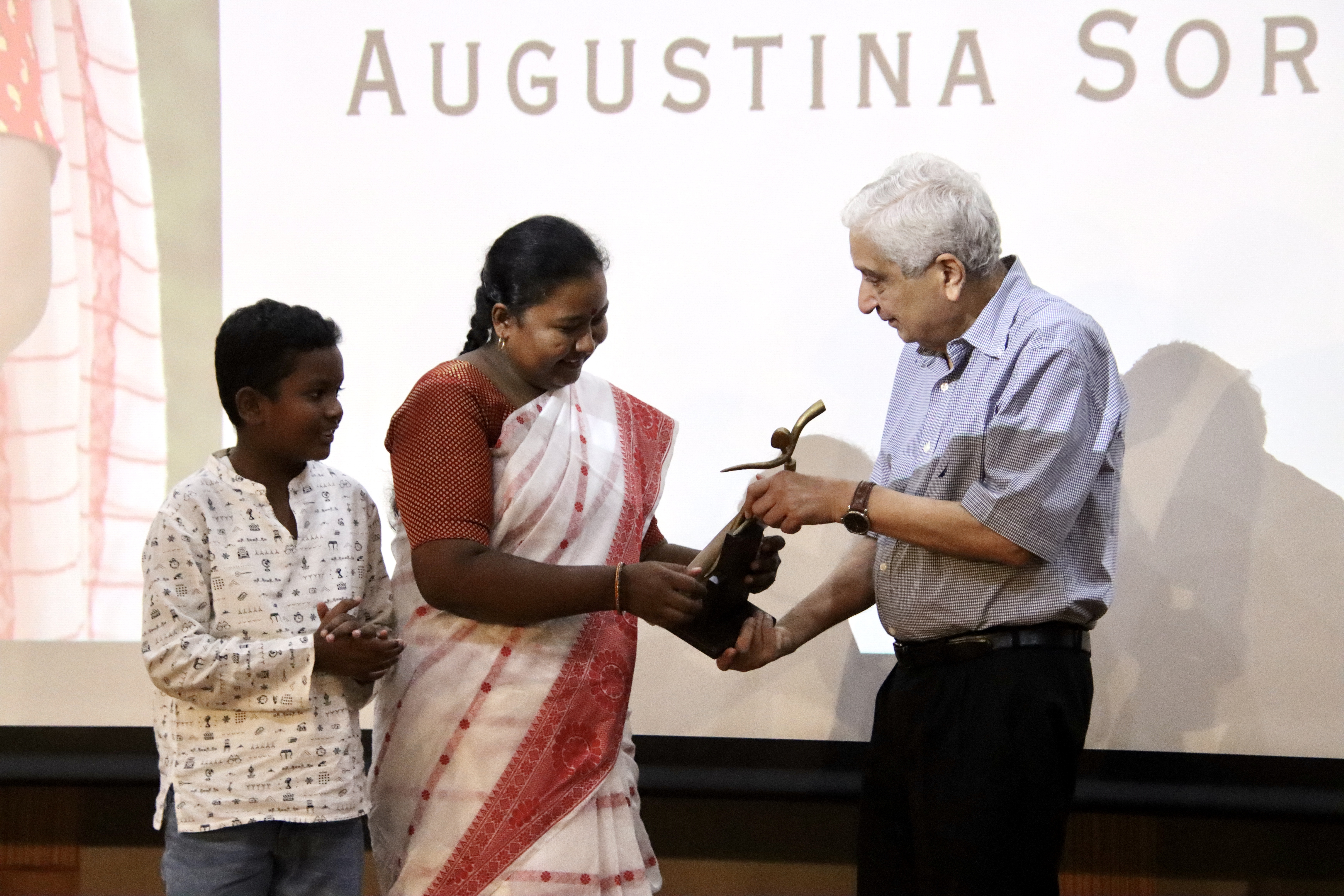
As a tribal woman herself, Augustina has been active in the districts of Simdega, Gumla, and Khunti in the South Chotanagpur division for over 13 years. Since 2009, she has focused on empowering women in tribal communities, where patriarchal traditions and labour division often result in the deprivation of education, rights, and freedom for women and girls. Her work addresses critical issues such as migration, human trafficking, witch-hunting, domestic and sexual violence, and land and forest rights, striving to raise awareness and advocate for the rights of tribal women across society.
Mr. Joe Madiath, Founder Chairperson of Gram Vikas and former PRIA Governing Board member, presented the Special Jury Member Award to Ms. Taniya Sultana Laskar. A feminist lawyer from Barak Valley, Assam, Ms. Laskar provides legal support to women from minority communities, working to simplify access to justice through documentation, legal interventions, research, and building legal literacy in marginalised communities.
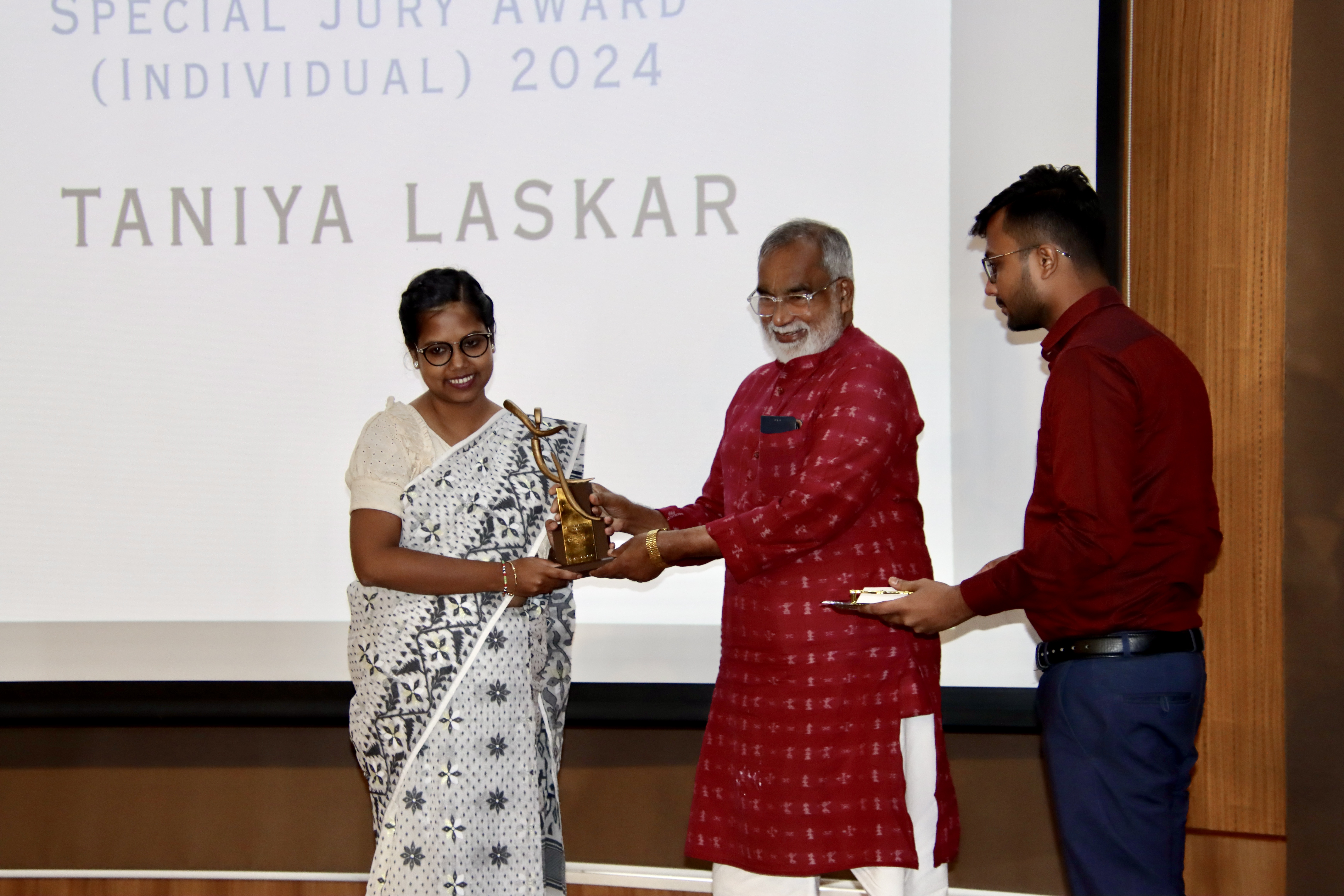
Taniya works pro bono for grassroots communities and engages in strategic litigation to drive legal reforms. In collaboration with local organisations and through her independent efforts, she has worked across six districts in Assam (Cachar, Karimganj, Hailakandi, Kokrajhar, Barpeta, and Nagaon), addressing human rights issues. Partnering with Sanatan Unnioyon Sangstha, Taniya regularly conducts gender sensitisation programs for lawyers, paralegals, and volunteers in Barak Valley. This network responds to gender-based violence in rural areas of the region. As a fellow of the South Asian Women’s Fund Legal Fellowship, she tackles cases of violence against women, including rape, sexual harassment, and domestic violence in Barak Valley.
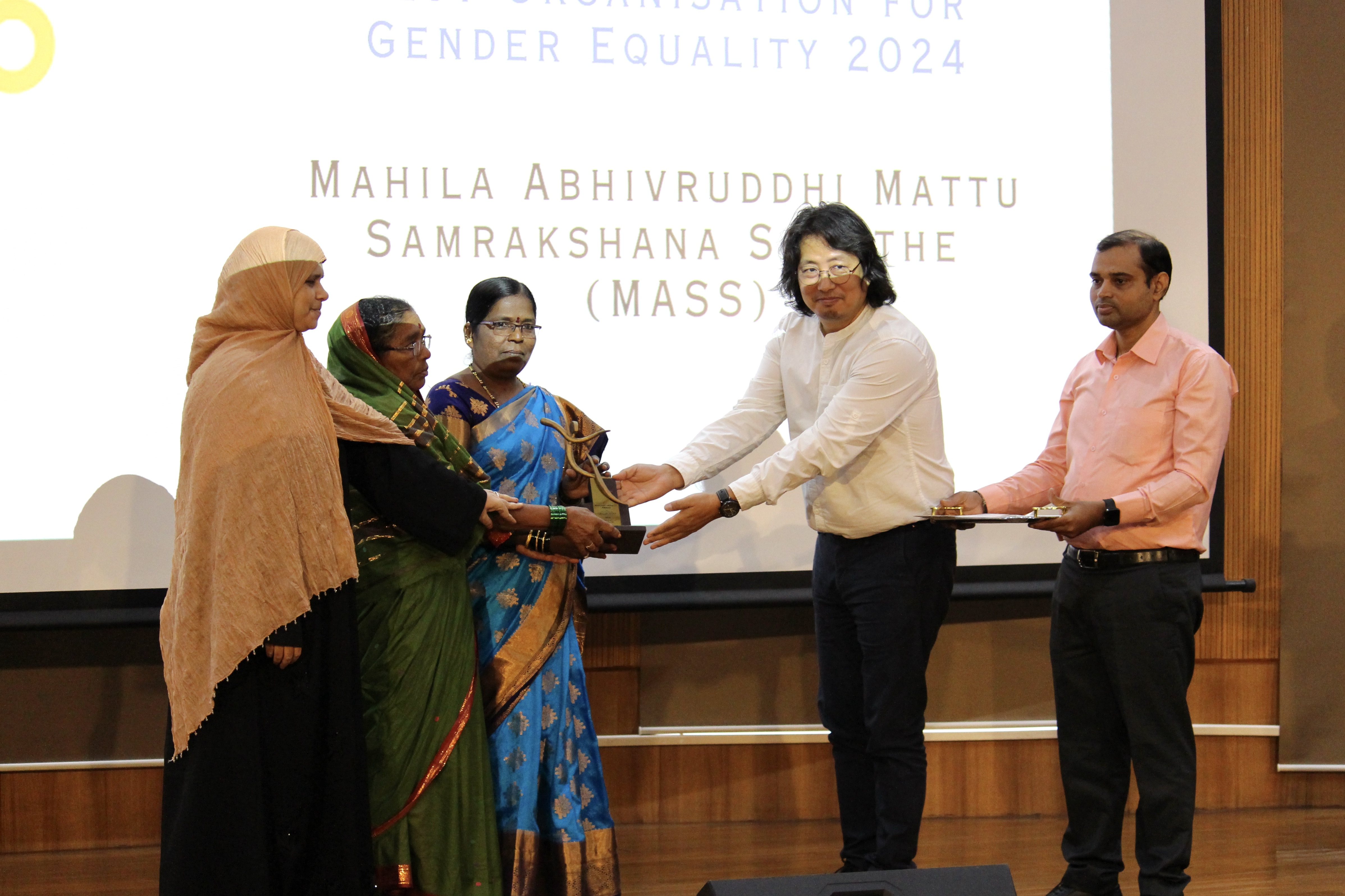
Mr. Deep Jyoti Sonu Brahma, Founder of Farm2Food and Jury Member of the Martha Farrell Award, presented the Best Organisation for Gender Equality Award to Mahila Abhivruddhi Mattu Samrakshana Samsthe (MASS), a grassroots organisation from Belgaum district, Karnataka. Founded in 1997, MASS is led by ex-Devadasi women and is dedicated to eradicating the harmful Devadasi system, while empowering Dalit women and children by securing their rights, livelihoods, and dignity.
The Devadasi system, prevalent in some parts of India, forces young Dalit girls into a life of exploitation, often including prostitution, after being dedicated to a deity. MASS's mission is twofold:
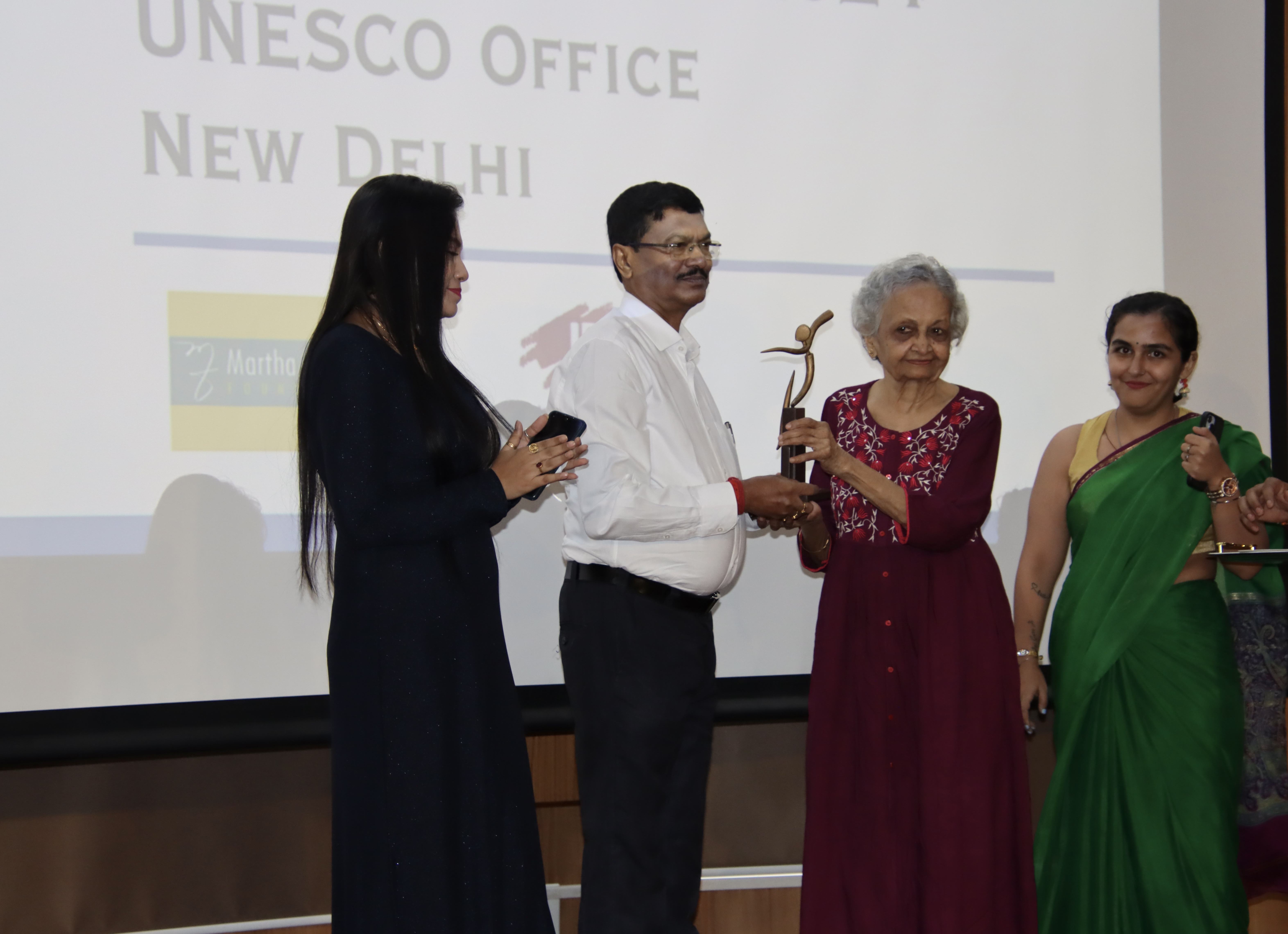
Dr. Anita Dighe, Co-Founder of ANNKUR and PRIA, and former Professor of Adult Education at the University of Delhi, presented the Special Jury Award (Organisation) to Goranbose Gram Bikash Kendra (GGBK). Founded in 1985 in the Sundarbans region of West Bengal, GGBK is a not-for-profit organisation focused on promoting gender equality, human rights, and climate resilience. GGBK works with vulnerable communities, addressing critical issues such as human trafficking, child and women's rights, and the impacts of climate change. The organisation is dedicated to creating opportunities for marginalised groups, ensuring they can lead dignified lives, while fostering leadership among women, youth, and children as active citizens. Given the region's remote and climate-vulnerable context, gender-related issues like rape, child marriage, and trafficking are even more pressing.
To address these challenges, GGBK runs a variety of programs, including education, livelihood promotion, combating trafficking, domestic violence, dowry, and strengthening climate resilience and disaster management.
Click here for the report